
Do You Need a Solar Generator or Portable Power Station?
Compare solar generator vs power station terms, features, and real buying differences between Jackery and Anker.
If you are comparing solar generator vs power station, start with the package, not the label. A power station is usually the battery unit; a solar generator is often that same kind of unit sold with solar panels or marketed for solar charging. For this matchup, choose the Jackery if you want an easier solar-ready kit, and lean toward the Anker if higher appliance output and faster wall charging matter more.
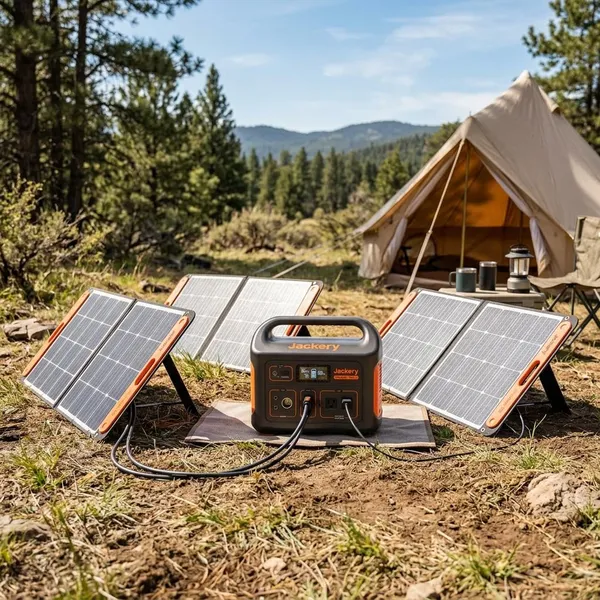
Jackery Solar Generator 1000 v2 The Complete Solar Kit
| Specification | Details |
|---|---|
| Product Name | Jackery Solar Generator 1000 v2 |
| Battery Capacity | 1070Wh |
| Battery Type | LiFePO4 Battery |
| AC Output | 1500W Rated Power, 3000W Surge Peak |
| Charging Options | AC Wall Charging, Solar Charging, Car Charging |
| Solar Input | Up to 400W with compatible Jackery SolarSaga panels |
| AC Charging Time | Approximately 1.7 hours |
| Output Ports | AC Outlets, USB-C, USB-A, Car Port |
| Cycle Life | Up to 4000 cycles to 70% capacity |
| Weight | About 23.8 lbs / 10.8 kg |
| Best For | Camping, home backup, RV travel, outdoor power supply |
Solar Panel Included for Off-Grid Charging
- Good for beginners: fewer compatibility decisions before first use.
- Good for outages: you already have a way to recharge when wall power is unavailable.
- Good for budgeting: the solar cost is clearer upfront instead of appearing later as an accessory purchase.
Enough Capacity for Camping and Essential Backup
As a 1kWh-class system, the Jackery sits in a practical middle ground. It is not a whole-home backup solution, but it is enough for the kind of devices most people actually need first: phones, laptops, lights, routers, fans, cameras, and selected small appliances.
LiFePO4 Battery for Frequent Use
LiFePO4 chemistry is a plus if the unit will be used regularly rather than stored for rare emergencies. It is generally favored in portable power stations for cycle life and stability, which matters if you expect weekly camping trips, routine solar charging, or regular backup use for a home office corner.
Compact Design for a 1kWh System
Portability is easy to underestimate until you have to move the unit in the dark, load it into a car, or store it in a small apartment. A compact 1kWh system is more likely to be used often because it is not a hassle to carry between rooms, the garage, a campsite, or a vehicle.
Lower Output than the Anker C1000 Gen 2
The trade-off is appliance flexibility. Compared with the Anker C1000 Gen 2, the Jackery is the less output-focused choice, so it is better suited to modest loads than to several demanding appliances running together.
Anker SOLIX C1000 Gen 2 The Higher-Power Option
| Specification | Details |
|---|---|
| Product Name | Anker SOLIX C1000 Gen 2 |
| Battery Capacity | 1024Wh |
| Battery Type | LiFePO4 |
| AC Output | Up to 2000W |
| Solar Input | Up to 600W |
| Recharge Time | Approx. 49 minutes to 100% |
| Ports | AC, USB-C, USB-A, Car Socket |
| Best For | Home backup, camping, outdoor use |
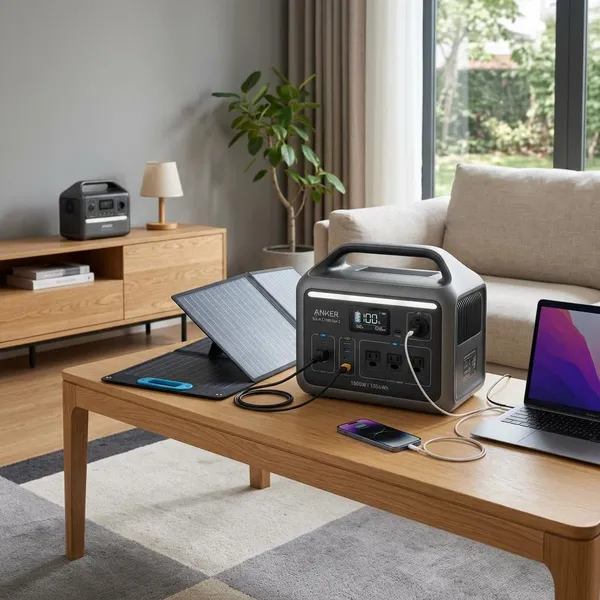
Higher Output for Demanding Appliances
- Choose Anker first if your list includes kitchen appliances, tools, or several devices at once.
- Be more cautious with anything that has a motor, heating element, or startup surge.
- Do the first check at home: list the exact devices you want to run before comparing prices.
Faster Wall Charging for Daily Use
Fast wall charging matters most when the power station is part of normal life, not just emergency storage. If you use it for van trips, jobsite power, tailgating, or repeated storm outages, a faster recharge means the unit is ready again sooner.
Strong Solar Input with Optional Panels
The Anker can still work well in a solar setup, but the panels are a separate decision. That is a benefit if you already own compatible panels or want to choose a specific portable or semi-fixed setup.
Fast UPS Switching for Sensitive Devices
Fast UPS-style switching can be valuable for routers, desktop setups, network equipment, and work-from-home gear that you do not want restarting during a brief outage. It should not be treated as a guaranteed replacement for a dedicated professional UPS in every situation, but for many home users it adds real everyday value.
Solar Panels Sold Separately
The obvious downside is that solar costs can creep up. A bare power station may look cheaper until you add panels, adapters, and any accessories needed for the setup you imagined.
Jackery Solar Generator 1000 v2 vs Anker C1000 Gen 2
| Choose based on this priority | Better fit | Why it matters |
|---|---|---|
| Solar included from day one | Jackery | Less accessory research and faster setup |
| Higher appliance output | Anker | More headroom for demanding or mixed loads |
| Frequent wall recharging | Anker | Shorter downtime between uses |
| Beginner-friendly off-grid use | Jackery | Panel compatibility is already handled |
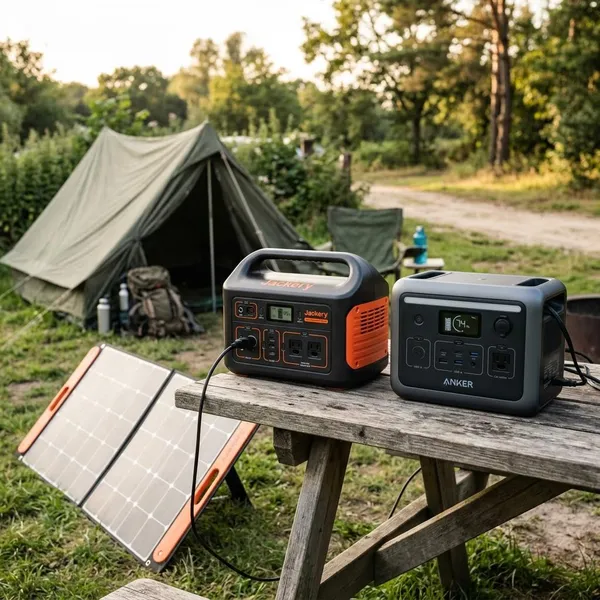
Similar Battery Capacity for Everyday Backup
Both units are in a similar everyday backup range. Either can be useful for phones, laptops, lights, internet gear, cameras, and other lower-to-moderate draw devices during a short outage or trip.
Higher Appliance Output from the Anker
The Anker is the better choice when your backup plan includes heavier loads or several devices at once. That does not mean it can run everything, but it gives you more room before the inverter becomes the bottleneck.
Solar Panel Included with the Jackery Kit
The Jackery wins if solar charging needs to work without a second round of shopping. For a cabin weekend or storm-prep kit, having the panel already matched to the unit is more than a convenience feature—it reduces the chance of buying the wrong accessory or forgetting one completely.
Faster Wall Charging from the Anker
The Anker’s faster wall charging is most useful when the unit is discharged and needed again soon. That can happen after an evening outage, a workday outdoors, or a trip where you have only a short window near an outlet.
Easier Solar Setup from the Jackery Bundle
- Pick Jackery for simple camping and basic outage readiness.
- Pick Anker for heavier appliances, faster AC charging, and more control over panels.
- Avoid guessing: write down your must-run devices before choosing either one.
Conclusion
The Jackery Solar Generator 1000 v2 is the easier buy if you want a complete solar kit for camping, basic backup, or beginner-friendly off-grid charging. The Anker SOLIX C1000 Gen 2 is the stronger choice if your real concern is running more demanding devices, recharging quickly from the wall, or keeping sensitive home-office gear powered through interruptions. The safest decision is to list your must-run devices first, then decide whether included solar or higher performance solves the bigger problem.