
Which Solar Generator Fits Off-Grid Living?
Find the best solar generator for off-grid living by comparing battery size, inverter power, solar input, and use cases.
The best solar generator for off-grid living is not simply the largest or most expensive model—it is the one that can reliably run your daily essentials, recharge efficiently from your solar panels, and provide enough backup capacity for cloudy days or unexpected power needs. A good choice depends on your actual energy use, battery capacity, inverter output, solar input limit, and whether you need power for a cabin, RV, tiny home, campsite, or emergency backup.
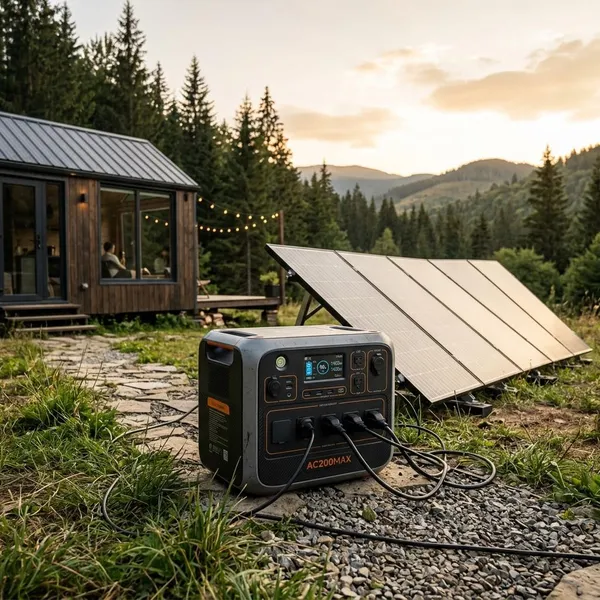
What is the best solar generator for off-grid living?
There is no single best model for every off-grid setup. A weekend cabin, an RV, a tiny home, and a remote homestead all use power differently, so the right choice depends on what must keep running when the sun is weak or your battery is low.
Start with three checks before comparing brands: your daily watt-hour use, the highest appliance surge you need to handle, and how many hours of usable solar charging you can realistically get. Those three numbers will tell you more than a product page headline ever will.
The best overall option balances power and value
A strong all-around choice usually has enough battery for overnight essentials, enough inverter output for common appliances, and enough solar input to recover during a normal sunny day. For many off-grid buyers, that often points toward a LiFePO4-based unit in the mid-to-large range rather than a tiny emergency power station.
A practical benchmark is a system that can run lights, phone and laptop charging, internet gear, a refrigerator, and a few short-use appliances without forcing you to micromanage every outlet. If you only visit a cabin on weekends, you may not need much more. If you live there full time, value also means expansion, battery life, and repair or warranty support.
The best portable option fits mobile off-grid use
For RVs, vans, and seasonal camps, portability matters almost as much as capacity. A unit that is easy to move, quick to connect to folding panels, and simple to recharge from shore power or a vehicle can be more useful than a heavier model with slightly better specs.
- Good fit: device charging, lights, a portable fridge, camera gear, fans, and laptop work.
- Watch the limit: electric cooking, heaters, and high-draw tools can drain a compact battery quickly.
- Practical check: make sure you can lift and store the unit comfortably before choosing extra capacity.
The best expandable option fits long-term living
Long-term off-grid living is where expandable systems make the most sense. You may start with basic loads in summer and later add a freezer, pump, work equipment, or more winter lighting. A fixed-size unit that feels fine in June can feel tight in December.
When comparing expandable options, check the maximum battery expansion, maximum solar input, inverter surge rating, and whether the system is designed for frequent cycling. Expansion is only valuable if the main unit can actually support the larger setup without becoming the bottleneck.
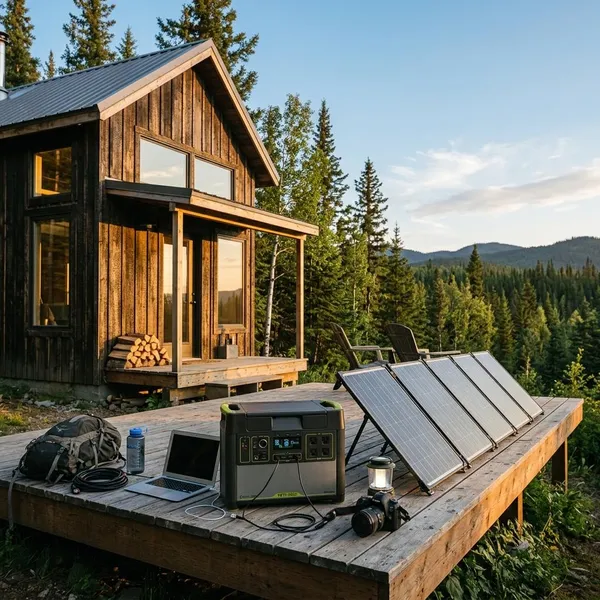
What makes a solar generator good for off-grid living?
A good off-grid solar generator is not just a battery in a box. It needs to store enough energy, deliver enough power, recharge at a useful speed, and tolerate the way you will actually use it. Occasional backup use is forgiving; daily off-grid use exposes weak points quickly.
Larger batteries provide longer runtime
Battery capacity, measured in watt-hours, tells you how much energy the system can store. More capacity gives you longer runtime at night and more cushion when clouds reduce solar charging.
The mistake is sizing only for a perfect day. If your essentials use around 1,500Wh per day, a 1,500Wh battery may look adequate on paper, but it leaves little room for inverter losses, weather, guests, or battery aging. For full-time use, reserve capacity is not a luxury; it is what keeps the system from feeling fragile.
Strong inverters support more appliances
The inverter decides what you can run at the same time. A battery may have plenty of stored energy, but a weak inverter can still fail to start a refrigerator, pump, microwave, or power tool because those appliances often need a short startup surge.
For basic off-grid comfort, many people look for at least 1,500W to 2,000W of continuous inverter output, with a higher surge rating if refrigeration, pumps, or tools are involved. If you expect to run a pump while someone uses a kettle or microwave, give yourself more headroom.
Faster solar charging improves energy recovery
Solar input matters because every night and cloudy spell has to be recovered somehow. A large battery with weak solar charging can slowly fall behind, especially in winter or shaded locations.
A simple way to judge charging is to compare daily use with realistic panel output. For example, if you use about 2,000Wh per day and your site gets roughly four good sun hours, you need enough panel wattage and solar input capacity to replace that energy with a margin for losses. Rated panel output is not the same as real daily production, so avoid planning around ideal lab conditions.
Durable designs support outdoor use
Off-grid equipment gets moved, charged, discharged, and checked more often than an emergency backup unit sitting in a closet. Look for a sturdy case, protected ports, clear cooling airflow, reliable handles or wheels, and a display that shows input, output, and battery level clearly.
- Battery chemistry: LiFePO4 is often preferred for frequent use because it typically offers long cycle life and stable performance.
- Port protection: loose or exposed ports become annoying fast in dusty cabins, sheds, and RV compartments.
- Thermal management: good ventilation matters when the unit is charging hard in warm weather.
- Service support: remote users should care about warranty access and replacement parts, not only specs.
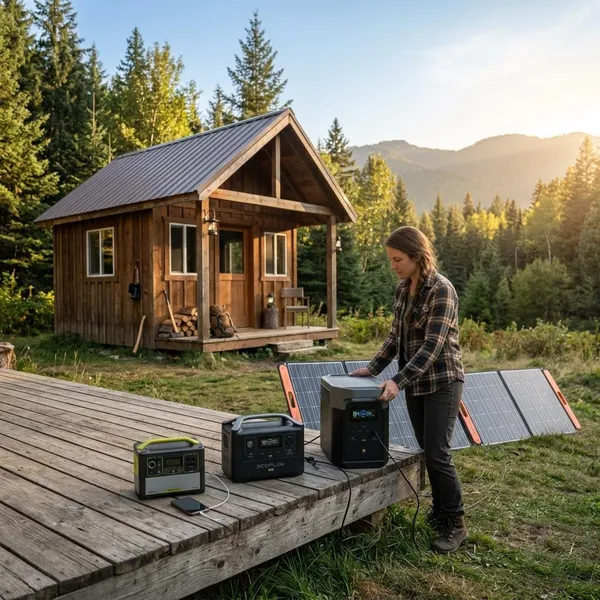
What size solar generator do you need?
The right size depends on what you run, how long you need backup power, and how quickly you can recharge. Think of sizing in three layers: battery capacity covers runtime, inverter output covers appliance demand, and solar input covers recovery.
| System size | Best for | Main caution |
|---|---|---|
| Small | Phones, laptops, lights, routers, fans, short trips | Usually too limited for refrigeration plus daily living |
| Medium | Cabins, RVs, essential appliances, part-time off-grid use | Needs careful load timing for high-draw devices |
| Large | Tiny homes, full-time cabins, remote work, longer reserve | May need more panels and a more permanent setup |
Small systems power basic devices
Small systems, often around 300Wh to 1,000Wh, are useful for lean power needs. They can handle phones, laptops, LED lights, a router, camera batteries, a fan, or a CPAP machine, depending on the device draw and runtime.
This size works well for a low-risk weekend setup where propane handles cooking and heating, and you only need quiet electricity for comfort and communication. It is not a good match if you expect to run a fridge, electric kettle, heater, and work laptop every day.
Medium systems power cabins and essentials
Medium systems are the practical middle ground for many cabins and RV setups. A unit around 1,000Wh to 3,000Wh with a capable inverter can often support lighting, charging, internet gear, a fridge, fans, and short bursts from kitchen appliances if you manage timing.
A common cabin scenario is simple: lights at night, a refrigerator cycling all day, phones charging, and maybe a coffee maker in the morning. A medium system can make that feel comfortable, but it still rewards efficient appliances and sensible habits.
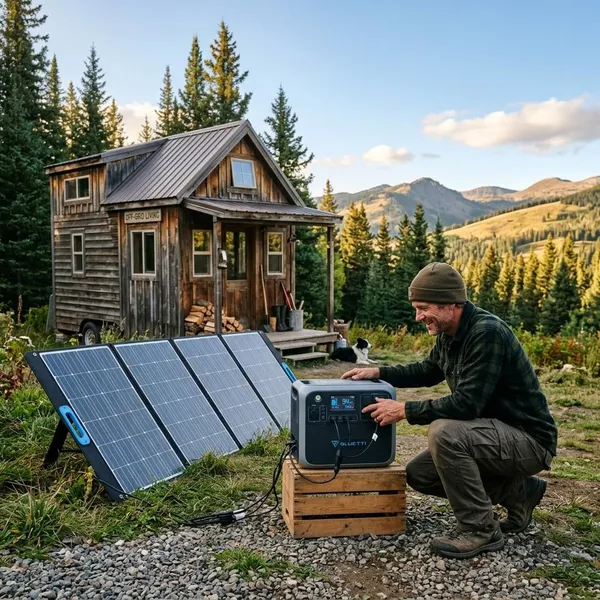
Which solar generator fits your off-grid lifestyle?
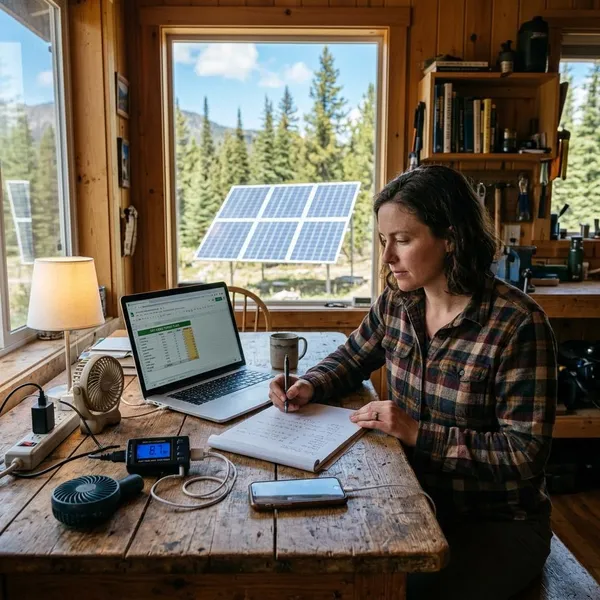
Your lifestyle decides which tradeoffs matter most. A cabin owner may care about quiet reliable basics, an RV traveler may care about weight and fast setup, and a remote user may care more about durability and reserve than portability.
Cabin users need reliable basic power
Cabin users should prioritize dependable essentials over extreme output. For a seasonal or weekend cabin, a medium-capacity unit may be enough for lights, charging, internet, fans, and efficient refrigeration.
For full-time cabin living, choose more cautiously. You will want extra battery reserve, stronger solar input, and preferably expansion, because winter light, storm days, and longer indoor hours can change the power picture quickly.
RV users need portable flexible power
RV users need a unit that fits the way travel actually works: limited storage, changing campsites, mixed charging sources, and days when panels do not sit at the perfect angle.
- Choose lighter if you move the unit often or use portable panels.
- Choose more input options if you switch between solar, shore power, and vehicle charging.
- Choose more capacity if you work remotely or rely on an electric fridge every day.
Tiny home users need expandable systems
A tiny home may use less energy than a standard house, but it can still depend on serious loads: refrigeration, pumps, cooking support, lights, internet, and work devices. That makes expansion more useful than it first appears.
One realistic pattern is a system that feels easy in summer but struggles in winter when sunlight is weaker and nights are longer. Starting with an expandable unit gives you room to add battery storage later instead of replacing the whole setup.
Conclusion
The smartest choice is the system that covers your essential loads first, recharges reliably where you live, and gives you enough reserve for the way you actually use power. A small portable unit can be perfect for light travel, a medium system can suit many cabins, and an expandable setup is usually the safer path for year-round living. If the numbers are close, choose more battery and solar input rather than hoping perfect weather and perfect habits will make a tight system work.