
Which EcoFlow Power Station Fits Your Needs?
Find the best EcoFlow power station for camping, RVs, or home backup by comparing size, output, runtime, and features.
The best EcoFlow power station for most people is a mid-range DELTA model, offering enough AC output and battery capacity for outages, appliances, and everyday backup needs without the size or cost of a full home-backup system. A RIVER model is a better fit for camping, phones, laptops, and other small devices, while a larger or expandable DELTA setup makes more sense if you need to run a refrigerator, freezer, RV equipment, or essential home devices for longer periods.
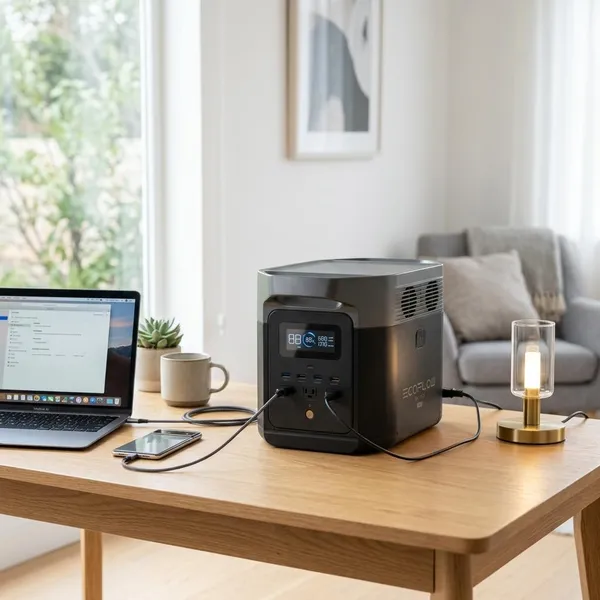
What is the best EcoFlow power station overall?
The best choice depends less on the biggest battery number and more on your main use case. Start with the devices you cannot do without, then check three things in this order: continuous AC output, startup surge support, and realistic runtime.
The best overall model balances power and price
For a first EcoFlow purchase, a mid-range DELTA is often the safest all-round pick. It is usually strong enough for laptops, lights, Wi-Fi gear, phones, a TV, a CPAP machine depending on settings, and many short-use household appliances, while still being movable enough for a car trip or a room-to-room outage setup.
This category makes sense if you want one unit for several jobs: occasional blackouts, weekend travel, remote work, and light RV use. It may not be the cheapest option, but it avoids the two most common regrets: buying a compact station that cannot handle appliances, or buying a large system that is too heavy and expensive for everyday use.
The best portable model fits travel needs
A RIVER model is the better fit when the station needs to be easy to carry more than it needs to run heavy appliances. Think of a weekend camper charging phones, camera batteries, a drone, a laptop, LED lights, and maybe a small fan. In that situation, low weight and quick setup matter more than having a huge battery sitting in the tent or car.
- Good fit: short trips, picnic days, car travel, small electronics, emergency phone charging.
- Weak fit: electric kettles, heaters, full-size refrigerators, or long off-grid use without recharging.
The best high-capacity model fits backup needs
For home backup, a larger DELTA or expandable EcoFlow system is usually the more sensible choice. Refrigerators, freezers, routers, lights, medical devices, and several chargers can overlap during an outage, so you need both battery reserve and enough inverter strength.
This is where long-term use changes the decision. If outages are rare and short, a mid-range model may be enough. If you live somewhere with repeated storm outages, rely on powered medical equipment, or want to protect fridge and freezer contents overnight, choosing too small can become frustrating fast.
What are the EcoFlow power station series?
EcoFlow’s lineup is easiest to understand as three levels: RIVER for smaller portable loads, DELTA for stronger appliance support, and expandable systems for longer backup or growing energy needs. Pick the level first, then compare models inside that level.
RIVER models fit smaller device needs
RIVER models suit people who care about portability, storage, and simple charging. They are practical for apartments, road trips, day use, and light camping where the main goal is keeping electronics alive rather than replacing household power.
- Phones, tablets, cameras, drones, and laptops
- LED lights, small fans, routers, and portable monitors
- Short emergency backup when comfort matters less than communication
The line becomes less comfortable once heating elements, compressors, or multiple AC devices enter the picture. If your “camping” setup includes a portable fridge and coffee maker, you are already closer to DELTA territory.
DELTA models fit higher power demands
DELTA models are built for buyers who want more output and longer runtime. They make more sense for refrigerators, RV accessories, work equipment, internet backup, and mixed household loads where several devices may be plugged in during the same window.
A simple rule works well: choose RIVER when carrying the station is the priority; choose DELTA when appliances or backup confidence are the priority.
Expandable systems fit larger energy needs
Expandable systems are for people who do not want their first battery to be the final limit. They are useful for frequent outages, cabins, vans, RV builds, or households that may later add extra batteries or solar charging.
They are not automatically the smartest buy for everyone. If you only need a few hours of phone, router, and light backup, expansion may be unnecessary. If you want a fridge, freezer, lights, and internet to stay usable through longer outages, the ability to add capacity can matter more than saving money on a smaller unit today.
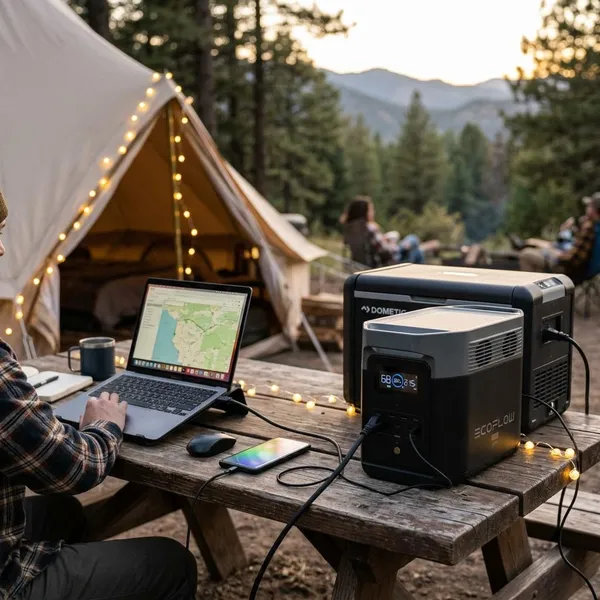
What can an EcoFlow power station run?
An EcoFlow can run devices that stay within its output rating and available battery capacity. The key is not just whether one device plugs in, but whether your full load works together without exceeding continuous power, surge power, or runtime limits.
Small devices need lower capacity models
Small electronics are the easiest match. Phones, laptops, tablets, cameras, LED lights, routers, and speakers usually draw modest power, so a compact EcoFlow can feel surprisingly useful for travel or short outages.
If your plan is a low-risk setup like keeping phones charged during a storm or working from a laptop at a campsite, a smaller model is often enough. Paying for a larger DELTA only makes sense if you expect appliance loads later.
Essential appliances need medium capacity models
Essential appliances need a more careful check because they may cycle, surge, or run for hours. A medium DELTA is often the practical starting point for a refrigerator, CPAP machine, router, lights, fan, or small TV, but the exact match depends on the appliance.
- Check the label: look for watts or amps on the device or power brick.
- Watch for motors: refrigerators and pumps may need extra startup power.
- Plan the group: fridge plus router plus lights is different from fridge alone.
- Leave room: avoid buying a station that only works on perfect paper math.
How long can an EcoFlow power station run?
Runtime comes from a simple idea: battery capacity divided by device power use, then reduced for real-world losses. Treat any estimate as planning guidance, not a promise, because temperature, inverter use, device cycling, and background consumption all affect the result.
Runtime depends on battery capacity
Battery capacity is measured in watt-hours. A larger battery usually runs the same device longer, but not every watt-hour becomes usable power at the outlet. AC conversion, heat, standby use, and battery management all take a share.
A helpful way to think about capacity is by comfort level: small stations cover communication and lighting, medium stations add some appliance support, and larger systems reduce how often you have to decide what gets unplugged.
Runtime depends on device power use
Device wattage changes runtime more dramatically than many buyers expect. A router, laptop, and LED lamp may run for a long time because they draw relatively little power. A microwave or kettle may use more energy in minutes than small electronics use in hours.
For refrigerators, do not judge only by the highest startup number or only by the running number. A fridge cycles on and off, so the real question is whether the station can handle startup and has enough battery for repeated cooling cycles. Door openings, room temperature, fridge age, and freezer load can all change the result.
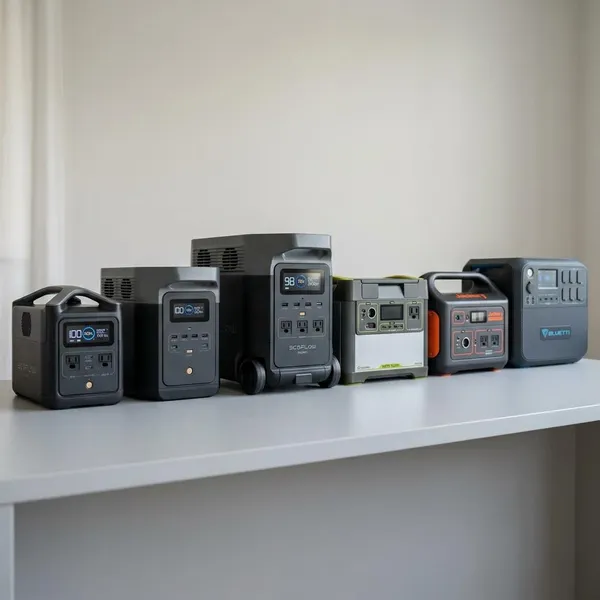
EcoFlow vs other portable power brands
EcoFlow is not the only good portable power brand, but it is often attractive when fast charging, strong AC output, app control, and expansion options matter. Other brands may still be better if your priority is lower cost, a simpler interface, or a very specific battery or solar setup.
EcoFlow offers strong power performance
EcoFlow’s strongest appeal is practical performance: many models recharge quickly and provide enough output for mixed loads. That matters during outages and travel because short charging windows are common, whether you are using a wall outlet, vehicle charging, or solar.
The app controls also help if you like seeing input, output, and remaining battery at a glance. That is not essential for everyone, but it can make power management less stressful when several devices are connected.
Other brands offer different advantages
Some competing brands may offer lower prices, simpler designs, different battery choices, or models that better fit a narrow use case. A cheaper station can be completely reasonable if you only need occasional phone and laptop backup.
The tradeoff is that lower-cost options may charge slower, have less output headroom, or offer fewer expansion paths. Those compromises are fine for light use, but they can become annoying if the station becomes part of regular camping, RV, or home backup routines.
The right choice depends on your priorities
Choose by the problem you are solving, not by brand loyalty. If you want a light emergency charger, price and portability may win. If you want a unit that can handle appliances, recharge quickly, and stay useful across home and travel situations, EcoFlow often earns the higher price.
- Choose EcoFlow first: fast charging, stronger output, app monitoring, possible expansion.
- Compare alternatives: tight budget, rare use, simple electronics-only backup.
- Do not overpay: premium features matter most when you will actually use them.
Conclusion
The right EcoFlow is the one that covers your real essentials without becoming too small to trust or too large to use comfortably. Start with output and startup power, then check battery capacity, weight, recharge options, and whether expansion matters for your situation. For most mixed-use buyers, a mid-range DELTA is the sensible middle ground; for light travel, choose RIVER, and for repeated outages or larger RV needs, step up to a bigger or expandable system.