
Best Home Solar Batteries 2026
Explore best solar battery storage systems 2026, compare Tesla, FranklinWH, and Enphase, and learn sizing and cost basics.
The best solar battery storage system for 2026 depends on what you need it to do. Tesla Powerwall 3 is the strongest all-round choice for most homes, FranklinWH aPower 2 is better suited to heavy whole-home backup, and Enphase IQ Battery 10C stands out if you want a fully integrated Enphase solar setup. Before comparing prices or brand names, focus on your main goal: keeping essential loads running during outages, reducing peak electricity costs, storing more of your own solar power, or covering all three.
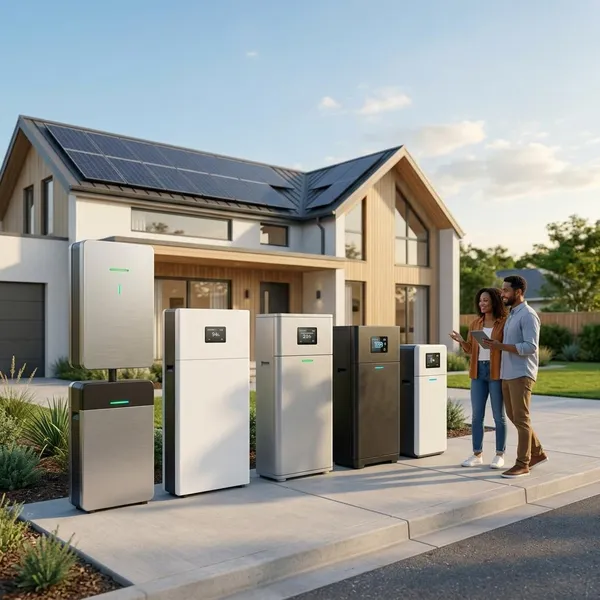
Best Solar Battery Storage Systems at a Glance
A solar battery should be matched to your home’s loads, not just to the biggest number on a spec sheet. If you only want the fridge, lights, router, and a few outlets during an outage, your best choice may be different from someone trying to keep central air, a well pump, and most appliances running.
| System | Best fit | Choose it if... | Be careful if... |
|---|---|---|---|
| Tesla Powerwall 3 | Best overall | You want a clean solar-plus-storage setup with strong backup capability and a simple app experience. | You already have solar equipment that may pair more neatly with another platform. |
| FranklinWH aPower 2 | Best for whole home backup | You have larger loads or want a backup-first design with solar, grid, and generator flexibility. | You only need light evening storage and do not want a more complex installed system. |
| Enphase IQ Battery 10C | Best for solar integration | You use Enphase microinverters or care about detailed solar and battery monitoring. | You need maximum high-load backup from the fewest batteries possible. |
Best Overall Tesla Powerwall 3
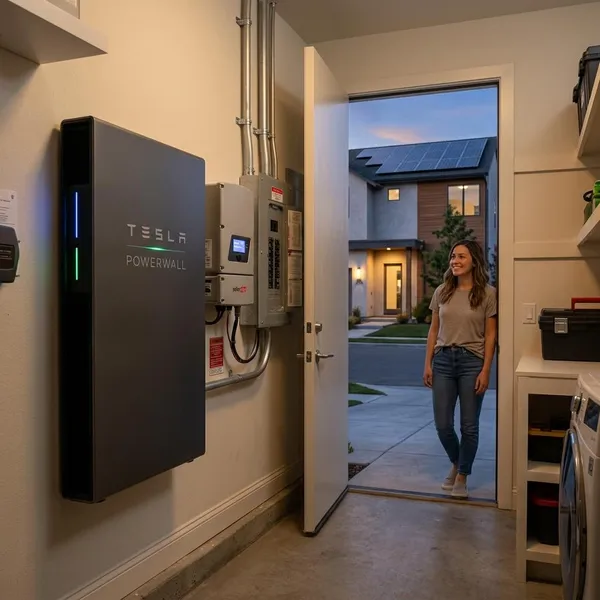
Tesla Powerwall 3 is the safest shortlist pick for many new solar-plus-storage projects because it combines storage, backup power, integrated inverter functionality, and a polished user app. It is especially practical when you want fewer separate components on the wall and a system most installers recognize.
Best for Whole Home Backup FranklinWH aPower 2
FranklinWH aPower 2 is the better direction when your main concern is keeping a larger home functional during outages. If your priority list includes HVAC, well pumps, multiple refrigerators, or a more normal daily routine when the grid is down, ask installers to model FranklinWH against your actual loads.
Best for Solar Integration Enphase IQ Battery 10C
Enphase IQ Battery 10C fits homeowners who care about solar visibility and ecosystem compatibility. It is particularly appealing for an existing Enphase microinverter system, where keeping solar production, battery status, and household consumption in one monitoring platform can make ownership easier.
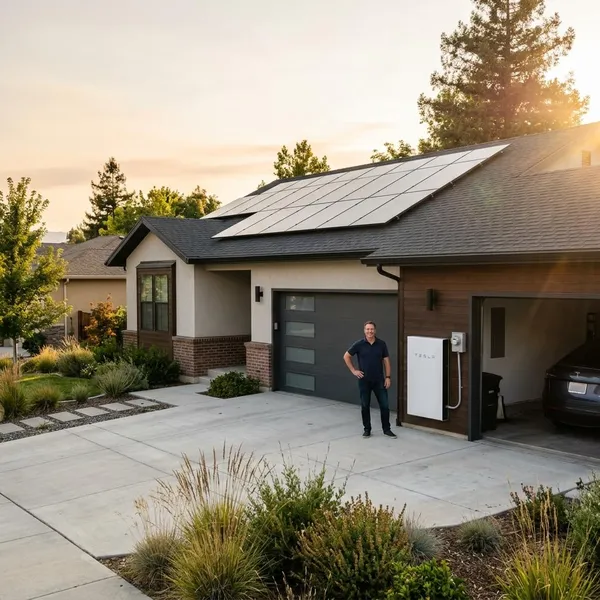
Best Overall Tesla Powerwall 3
Powerwall 3 earns the best overall spot because it works well for the most common homeowner scenario: someone adding solar and a battery together, wanting useful backup, lower evening grid use, and a system that does not feel overly technical to manage. It is not automatically the cheapest or most flexible retrofit choice, but it is a strong default to compare against other quotes.
Backup performance and usable capacity
For everyday backup, Powerwall 3 is best viewed as a strong partial-home battery first and a possible whole-home component when the design supports it. One unit may be enough for essentials in a modest home with gas heat and efficient appliances; a larger all-electric home with central AC, electric cooking, and a well pump will usually need more careful load planning and may need more than one battery.
- Check first: which circuits will actually stay on during an outage.
- Ask about startup loads: motors, pumps, and compressors can stress a battery more than lights or electronics.
- Do not assume: “whole home backup” means every appliance can run at the same time.
Integrated solar inverter and expansion
The integrated design is one of Powerwall 3’s biggest advantages for new installations. Fewer separate major components can simplify the system layout, reduce wall clutter, and make the quote easier to understand. If you plan to add an EV later or electrify more of the home, ask whether the proposed design leaves room for another battery or future electrical upgrades.
Installation, warranty, and limitations
The main variable with Tesla is often not the battery itself but the local installation experience. Pricing, wait times, service responsiveness, and electrical upgrade requirements can vary widely by market.
Before choosing it, get the installer to show the backup design in plain terms: covered circuits, expected switchover behavior, required panel work, warranty length, and capacity-retention terms. Powerwall 3 can be a very clean choice, but it may lose value if the quote requires expensive upgrades or if your existing solar equipment is better suited to another battery.

Best for Whole Home Backup FranklinWH aPower 2
FranklinWH aPower 2 is the system to consider when backup performance matters more than having the most familiar logo. It is a better fit for households that want a designed energy system, not just a battery added to the garage wall.
Power for large household loads
Large-load homes need a different conversation. A battery that feels generous for lights, internet, and refrigeration may still struggle when central air, a well pump, or electric water heating enters the picture. FranklinWH is strongest for homeowners who want installers to coordinate those heavier loads instead of simply excluding them from backup.
A useful scenario: a small urban home with short outages may be better served by a simpler essential-load setup. A rural home with a well pump, frequent storms, and work-from-home needs has a stronger case for a backup-first platform like FranklinWH.
Solar, grid, and generator integration
FranklinWH stands out when the home may use more than one energy source. Solar can recharge the battery, the grid can charge it when rates or settings allow, and generator integration may add another layer of resilience for long outages where solar alone is not enough.
- Best use case: outage-prone homes that need backup for more than a few essentials.
- Good retrofit question: can the system work with your current inverter and panel layout?
- Design warning: generator coordination should be planned by an experienced installer, not treated as an afterthought.
Installation, warranty, and limitations
FranklinWH can be excellent when the design is done properly, but it is not the system I would choose casually for a light-use battery project. Whole-home backup often means more control hardware, more electrical planning, and a higher installed price.
Ask for a load plan, not just a battery quote. The proposal should make clear which appliances can run together, whether smart load control is included, how the warranty handles long-term capacity, and what service support looks like locally.
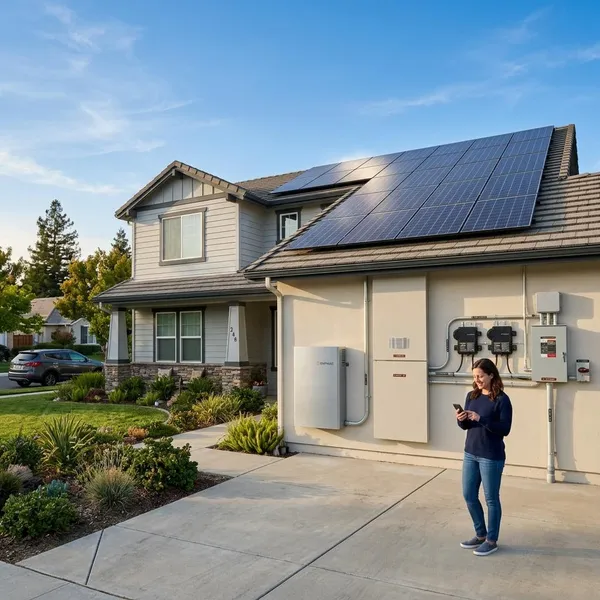
Best for Solar Integration Enphase IQ Battery 10C
Enphase IQ Battery 10C is the most natural choice when solar integration and monitoring matter as much as backup muscle. It is especially useful for homeowners who already have Enphase microinverters and want battery storage to fit into the same software and service ecosystem.
Backup performance and modular capacity
Enphase’s strength is modular sizing. Instead of jumping straight to a large backup system, you can size storage around evening use, essential circuits, or a phased upgrade plan. That works well for a household that wants to start with bill management now and possibly add more capacity later after buying an EV or switching to a heat pump.
For backup, be realistic: one battery may cover essentials well, but larger electric loads usually require more capacity and careful circuit selection. It is a good system for controlled backup, not a shortcut around proper sizing.
Enphase solar and monitoring integration
This is the clearest reason to choose Enphase. If your solar array already uses Enphase hardware, staying in the same ecosystem can make monitoring and troubleshooting much easier. You can see production, battery charge, home use, and grid interaction in one place, which helps catch problems like unexpected evening drain or weak solar charging.
- Best for: homeowners who actually look at energy data and want clear visibility.
- Good retrofit fit: existing Enphase solar systems where compatibility is a major concern.
- Less important for: buyers who only want backup and rarely plan to use the app.
Installation, warranty, and limitations
Enphase installations tend to go best with installers who know the ecosystem well. That matters in retrofit projects, where adding storage can involve permits, backup interfaces, wiring changes, or panel adjustments.
The limitation is value outside the Enphase world. If your home does not already use Enphase solar hardware, compare the total installed cost against Tesla and FranklinWH before assuming the monitoring advantages are worth paying for. Also review warranty terms for retained capacity and operating conditions, not just the headline number of years.
How We Picked the Best Solar Battery Systems
The ranking gives more weight to real homeowner decisions than to spec-sheet bragging rights. The most important question is not “Which battery is biggest?” but “Which system will do the job in this specific home without wasting money?”
Usable capacity and power output
Usable capacity tells you how much stored energy you can draw from the battery. Power output tells you how many loads it can support at once. Both need to match your goal.
If your goal is time-of-use savings, evening energy coverage may matter most. If your goal is outage protection, simultaneous loads become more important: a refrigerator, router, lights, and sump pump are one level of demand; central AC and electric cooking are another.
Battery chemistry and expected lifespan
Battery chemistry affects safety behavior, degradation, and long-term value, but shoppers should avoid treating chemistry labels as the whole story. Software controls, installation environment, cycling habits, and warranty limits all influence solar battery lifespan.
A home cycling the battery daily for rate savings may age the system differently from a home that keeps it mostly for storm outages. That is why the warranty’s retained-capacity promise is more useful than a vague claim that the battery “lasts for years.”
Solar and inverter compatibility
Compatibility can decide the project before price does. Existing solar systems often push buyers toward AC-coupled or ecosystem-friendly options, while new solar-plus-storage projects may benefit from more integrated designs.
- Existing microinverter solar: ask first about battery compatibility and monitoring continuity.
- New solar installation: compare integrated inverter designs against separate-component systems.
- Older electrical panel: check whether the battery quote assumes panel upgrades or backup subpanels.
Expandability and energy management
A good battery system should not trap you in today’s energy use. EV charging, heat pumps, a home office, or a growing household can change the right storage size within a few years.
Energy management also separates a decent system from a frustrating one. Load control, backup reserve settings, storm modes, and clear app data help you use the battery intentionally instead of guessing why it charged or discharged at the wrong time.
Warranty and installed value
Installed value is the total package: battery, control hardware, backup capability, monitoring, electrical work, warranty, and local support. A cheaper battery can become more expensive if the quote leaves out needed transfer equipment, panel work, or service support.
Before comparing proposals, use this short checklist:
- Pull 12 months of bills to find seasonal spikes and average daily use.
- List backup loads as essential, preferred, or optional.
- Identify your inverter type before asking to add storage to existing solar.
- Compare complete installed quotes, not battery pack prices alone.
- Ask what happens in an outage, including which circuits stay powered.
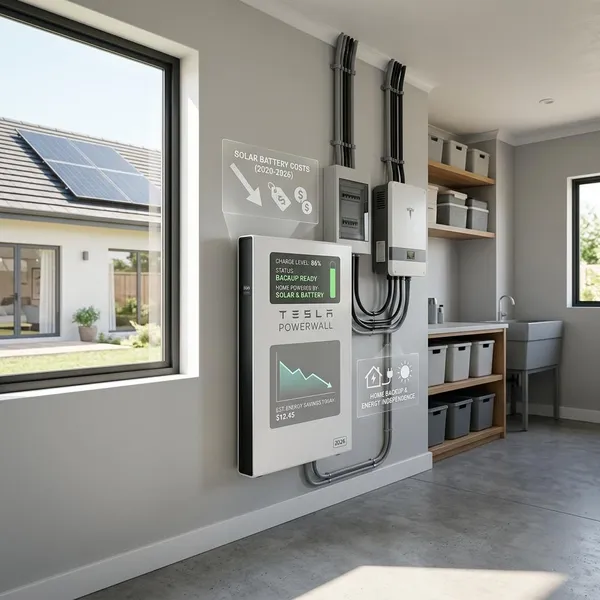
Solar Battery Storage Costs in 2026
Solar battery storage costs in 2026 still vary too much for one clean national answer. The battery is only part of the bill; the installed price depends on backup hardware, labor, electrical upgrades, permits, and local incentives.
Battery equipment and control hardware
The visible battery box is not the whole system. Depending on the design, the quote may include gateways, transfer equipment, load controllers, communication hardware, inverters, or monitoring components.
Ask for a line-item proposal. If one quote looks cheaper, check whether it includes the same backup functions as the others. A low equipment number is not a bargain if it leaves out hardware needed for automatic outage backup.
Installation, permits, and panel upgrades
Installation cost rises when the electrical work is complicated. Finished walls, long conduit runs, crowded panels, service upgrades, and backup subpanel work can all change the final price even when the battery model stays the same.
- Simpler install: battery near the main panel with enough breaker space.
- More expensive install: older panel, long wiring route, or whole-home backup redesign.
- Common surprise: permit or utility interconnection steps taking longer than expected.
Available incentives and rebates
Incentives can materially change the net cost, but the rules are local and time-sensitive. Some programs apply only when storage is paired with solar, some depend on utility approval, and some run out of funding.
Have each installer state whether incentives are already included in the quote, whether you receive them upfront or later, and what paperwork is required. Do not base the decision on an advertised rebate until eligibility is confirmed for your address and project type.
Electricity savings and payback potential
Payback is strongest when the battery can avoid high evening rates, increase solar self-consumption, or provide meaningful resilience in an area with real outage risk. If your utility has cheap electricity and generous net metering, the financial case may be slower.
A practical way to judge value is to split the benefit into two buckets: bill savings and backup value. Some homes buy a battery mostly for rate management; others buy it because losing power twice a year is disruptive enough to justify the cost. The right answer depends on which bucket matters more to you.
Conclusion
Choose Tesla Powerwall 3 if you want the strongest all-round starting point, FranklinWH aPower 2 if your home needs serious backup planning, and Enphase IQ Battery 10C if solar integration and monitoring are the main priority. The smartest next step is not picking the most popular battery; it is asking installers to map your real loads, existing solar equipment, electrical panel, and outage goals into a complete installed proposal.